Unintentional Prophecies in Sci Fi
Painting—finally! Book on a watch. Unintentionally prophesying in science fiction.

The replacement router is working well. My hat's off to UniFi for making the backup/restore process nearly seamless. And, boon of boons, we finished painting the side of the house! It looks so good that now we want to paint the rest of the house the same color. Mmmm… next year. Maybe.
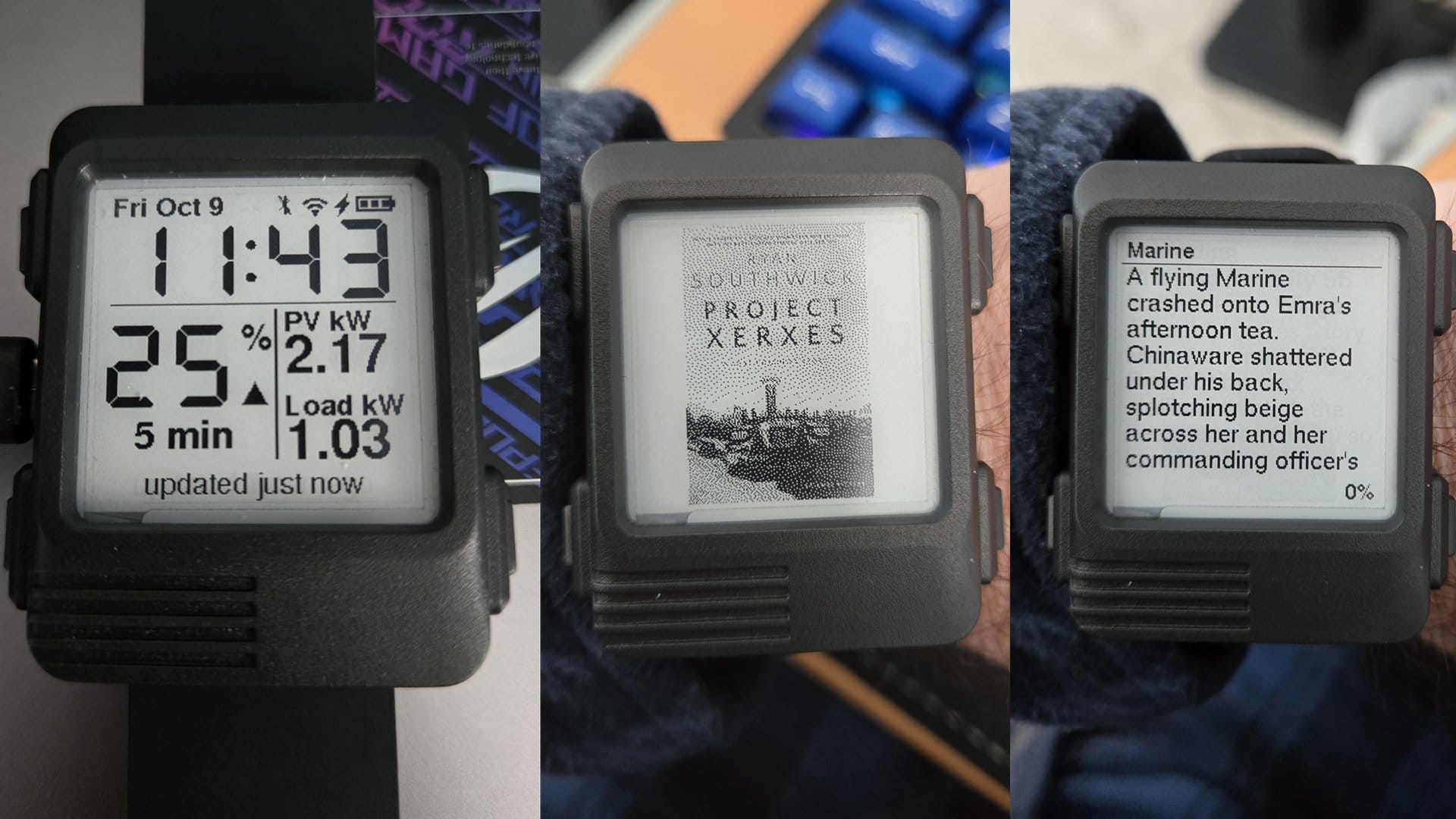
I've mentioned in a previous newsletter about the solar power app I'd written to interface with our Sigen system that shows power generation, battery level, and other stats. I bought an open source watch a couple years ago that sat in a box because I couldn't think of anything compelling to do with it. Then, last week, I realized "Hey! I can integrate it with the solar app!" So I did, and I had so much fun that, since it has an e-paper display, I added one of my books as an Easter egg, then integrated the solar app to a watch face for my wife's Pebble Time 2.
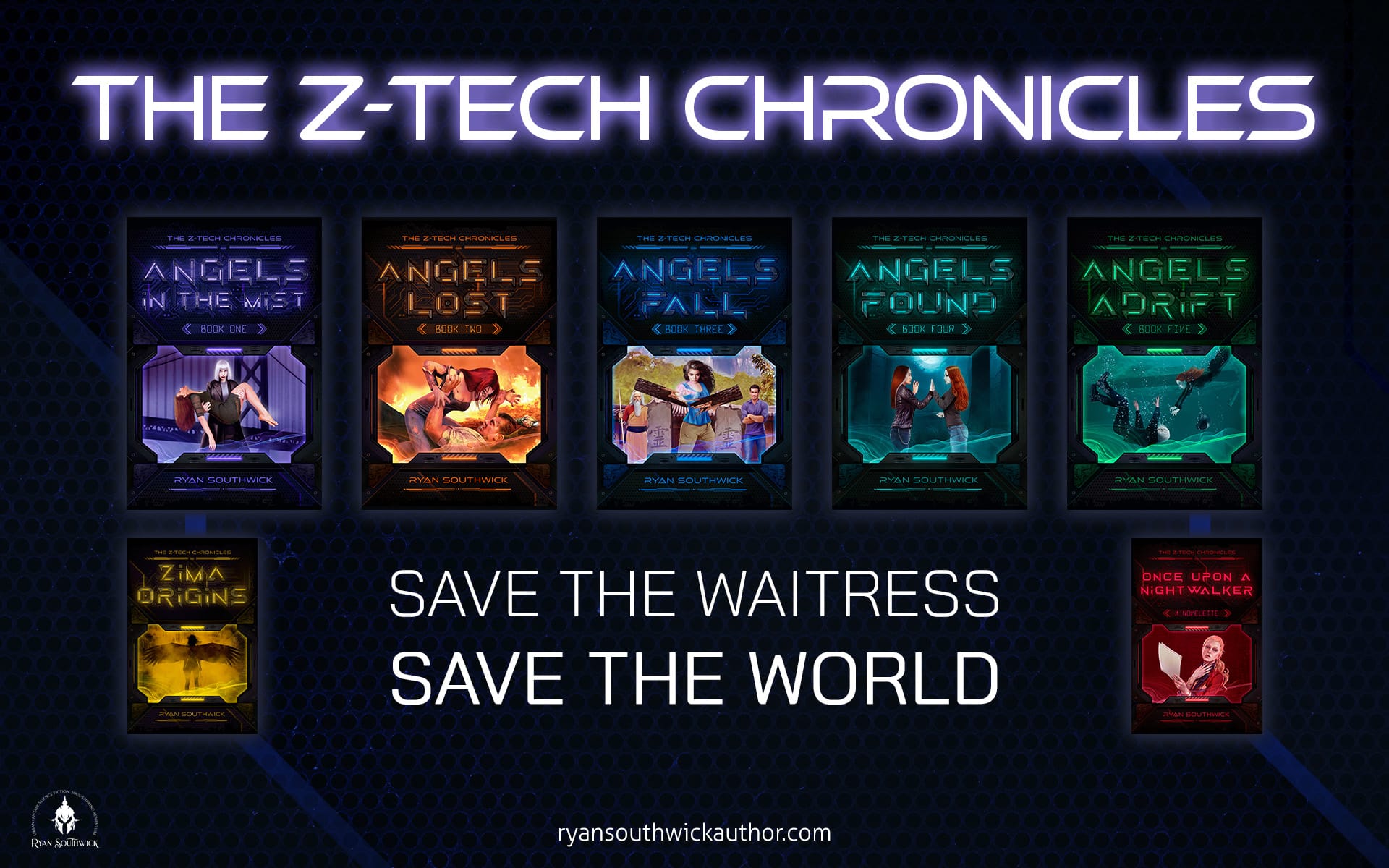
On the book side, my youngest kid picked up Angels in the Mist last week during a long drive with my wife. I was horrified until I remembered he's like 21 now and can handle adult subjects as well as anyone else. Thankfully, he enjoyed it very much (especially the "Hell Hath No Fury" chapter) and was for some reason surprised by the LGBTQ+ material, although pleasantly so, and said he's eager to read the next book. Whew! 😅
While editing Angels Strike (The Z-Tech Chronicles Book 6), I came across an eerily prophetic section I'd nearly forgotten about—which sets the stage for this month's feature: Unintentional Prophecy in Science Fiction.
Hope you enjoy!
In this newsletter
- Unintentional Prophecy in Science Fiction
- Currently Reading
Unintentional Prophecy in Science Fiction
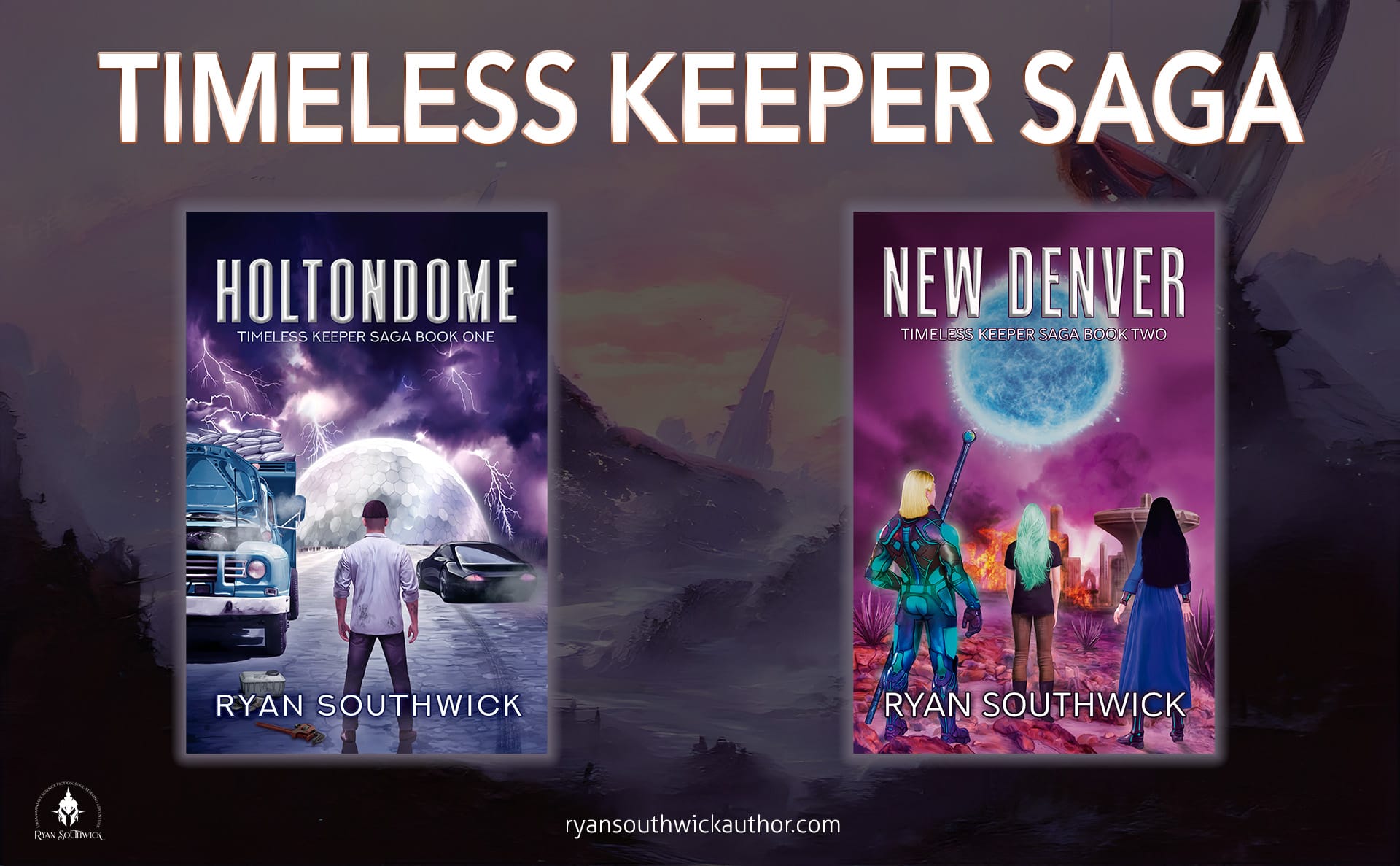
Almost all science fiction attempts to predict the future. It's a "what-if" game where the author imagines a world if certain things were true. "Certain things" could be Earth 500 years in the future on our present course and, in the case of the Timeless Keeper Saga, 400 years after a near-extinction event.
We humans are historically horrible fortune tellers but, with tens-of-thousands of new science fiction books being published each year[1], it's inevitable that a handful will get it right. The rest we appropriately and conveniently dismiss as entertaining, but wrong, i.e. "fiction."
Now, some of these predictions are conscious and intentional, often illustrated warnings about what could happen if we don't change course so (Heaven forbid) we can correct our behavior before it becomes a problem, rather than picking up the broken pieces after it's too late.
A recent intentional example is the 2014 TV show The Last Ship, loosely based on a 1988 novel of the same name. TL;DR: It's about a US missile destroyer at sea during an apocalyptic plague who ends up being humanity's best hope for a cure. I began watching the show as research for Angels Adrift (The Z-Tech Chronicles Book 5) and blazed through all 5 seasons because the premise and characters sucked me in (there's a reason the ship in Book 5 is named Chandler).
So, yeah, the series wrapped up not long before COVID hit. While COVID didn't wipe out 90% of Earth's population, as the series' plague did, too many of the during- and post-event predictions about society's dysfunctional reponses turned out to be true, or true enough that the show at times feels like a dramatization of real events. This (I'd imagine) was intentional; the author and script writer(s) tried to predict a contingent future, and reality soon after proved them right.
But what about when the author isn't trying? When an innocuous flavor detail ends up being strikingly poignent? Probably no one but the author can say what was innocuous vs deliberate.
For example, in The Z-Tech Chronicles, Z-Tech is technologically decades ahead of the rest of the world partly because Charlie and Mark are veritable geniuses, but mostly because they have Cappa. **Spoiler alert:** Cappa is an artificial intelligence (true Artificial General Intelligence, unlike today's LLMs). She can write code and do other tasks 100x faster than the people who built her, and it's that advantage that catapulted Z-Tech's technology to an untouchable level. **End spoilers.** That was an intentional prediction I made in the early 2000's that, in my recent experience, is beginning to prove true. Bully for me.
Fast-forward to 2 weeks ago. A friend sends me a link that was intended to be inspirational (but was the opposite to me) of Elon Musk citing why he's so gung-ho for SpaceX, something about Earth being the "cradle of humanity" and it being time for humans to leave the cradle.
Then, last week, I'm editing Angels Strike and come across the following passage:
“Think, Charles!” Alvin said. “Using this new technology, we will no longer be confined to a single planet. Humanity can spread its wings and fly to the farthest reaches of the galaxy.”
If you hadn't guessed, Alvin is the bad guy. To use said technology, 99.9% of humanity will have to die, and he's fine with that because, in his mind, it's a worthwhile trade.
And all I could think about when I read this paragraph I'd written 10+ years ago was Elon's video.
Worse (or better), it made the wrongness of both passages strikingly clear. They highlight the danger—the blindness—of focusing so much on a dream that you lose all perspective on the present. Of the delusion that this imagined fresh-start among the stars is somehow easier than fixing the home we have. That we will miraculously be more responsible with a new home when we can't keep our own in order. That our efforts are best spent on exhaustive and impractical workarounds rather than addressing the root cause. That a lack of empathy makes it easy to justify pouring enormous resources into projects of speculative value that could otherwise be spent to benefit people in concrete ways.
Congrats, Mr. Musk, you've met The Z-Tech Chronicles criteria for supervillainhood. Your adhesive handlebar mustache is in the mail.
Right. Stepping off the podium.
I hadn't intended to illustrate any of those points at the time. It was just Alvin being Alvin. I didn't know who Elon Musk was, and Trump was an annoying TV personality I steadfastly ignored. And yet, when I put the passage and video together, the pieces crashed in place to create a deeper meaning than I ever imagined.
There are other examples in my books, but none have hit as starkly as that one. It might be too much to hope it's the last, or the worst.
My best guess based on available data. Please don't hold me to it. ↩︎
Currently Reading
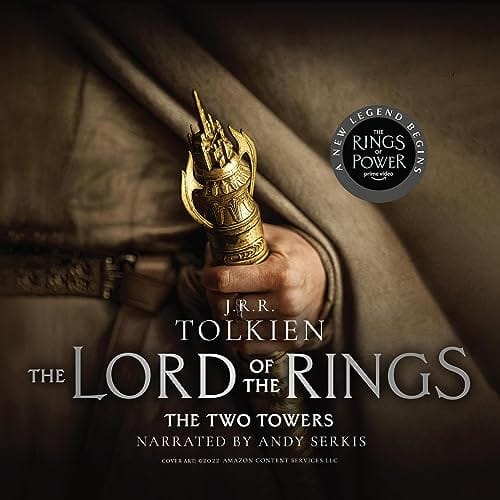
The Two Towers
Just... wow. Andy Serkis is amazing. I'm about 30% through and continue to be amazed at a) how much I'd forgotten about the book (vs the movie, which I've practically memorized) and b) how engaging this series is. A true masterpiece.
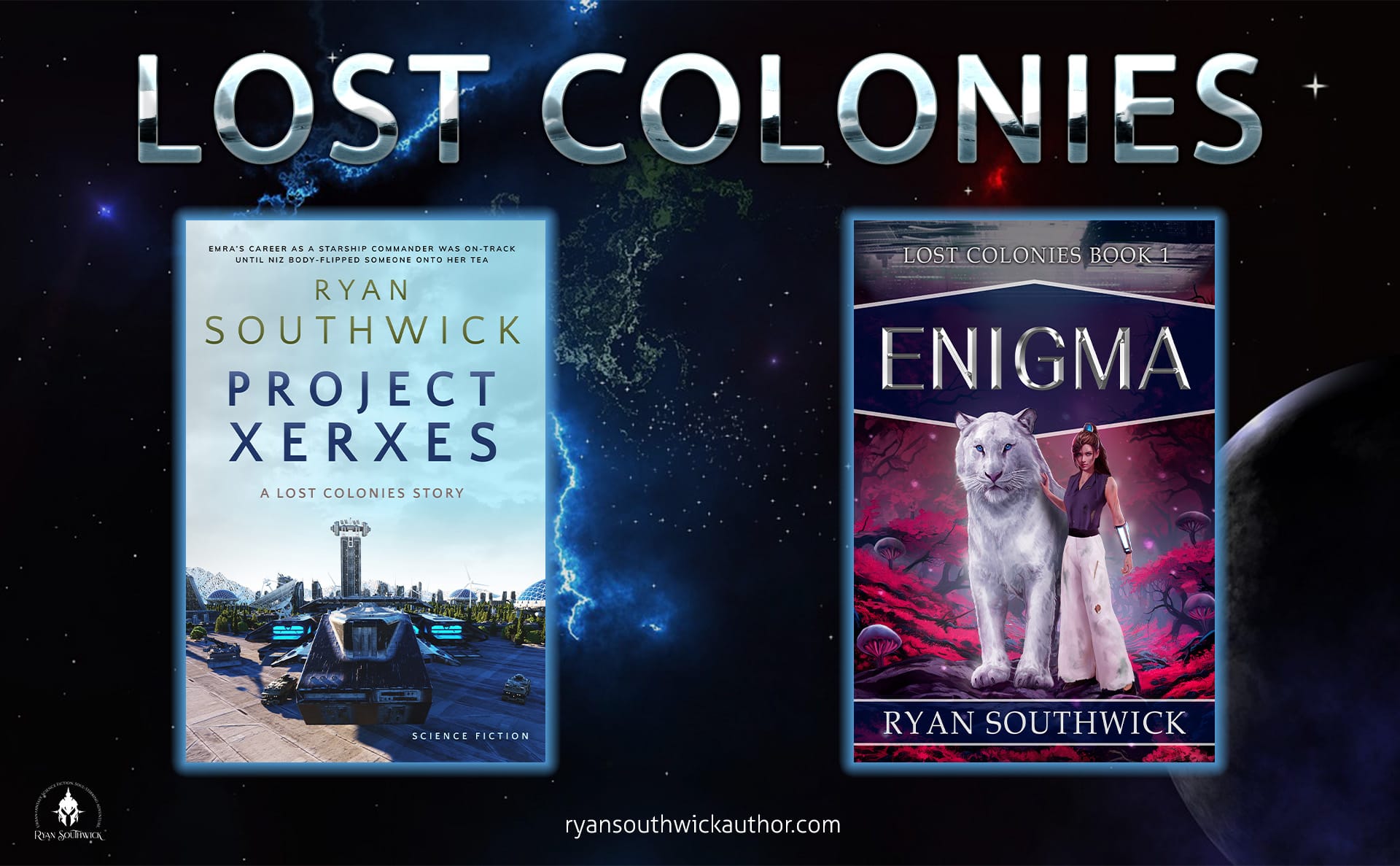
My Books
Follow me on: